
Fibermaxxing Diet: Is the Viral High-Fibre Food Trend Actually Healthy?
Social media has found a new nutrition obsession: fibre.
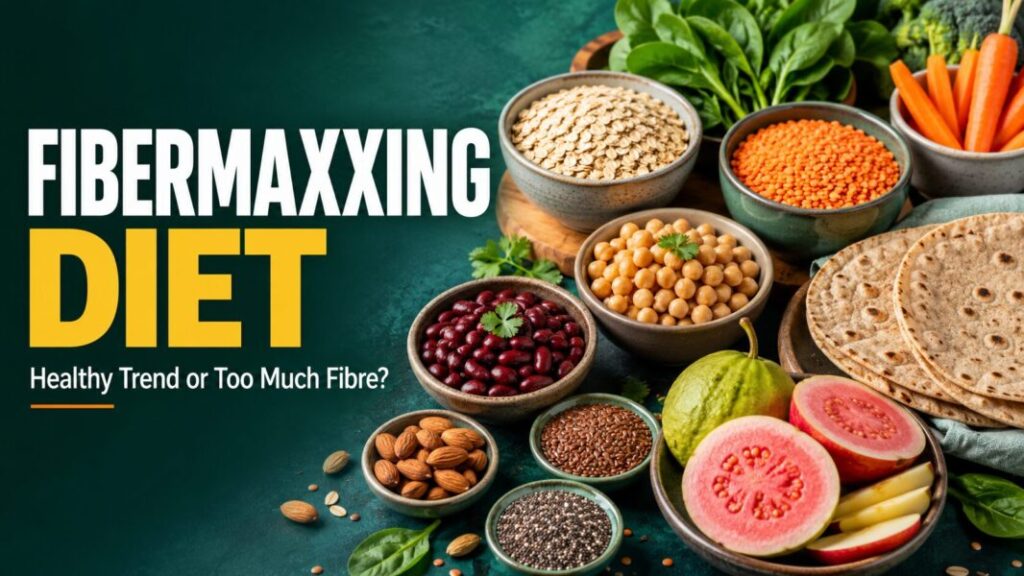
Known as the Fibermaxxing Diet, the trend encourages people to pack as much fibre as possible into everyday meals. Videos often show oversized bowls of oats, chia seeds, lentils, berries, vegetables and fibre powders—all presented as an easy route to better digestion, weight control and gut health.
There is some good thinking behind the trend. Many people do not eat enough fibre, and adding more plant foods can improve the nutritional quality of a meal.
But “more” is not always “better.” A sudden jump from a low-fibre diet to an extremely high-fibre one can leave you feeling bloated, gassy and uncomfortable.
So, is fibermaxxing genuinely healthy or simply another social media diet taken too far? Let us look at what the evidence says.
What Is the Fibermaxxing Diet?
Fibermaxxing is not a formal medical diet. It is a social media term used for deliberately increasing the fibre content of every meal and snack.
A typical day might include:
- Oats topped with fruit, chia seeds and flaxseeds
- Dal, rajma or chana with brown rice
- Large vegetable salads
- Whole fruits instead of juice
- Roasted chana, makhana or nuts as snacks
- Psyllium husk or commercial fibre powders
- High-fibre wraps, cereals and snack bars
The sensible version of this approach simply helps a person eat more vegetables, fruits, pulses and whole grains.
The extreme version becomes a numbers game. People may combine several concentrated fibre sources in one meal or chase very high daily totals without considering hydration, digestion or individual health conditions.
That is where problems can begin.
How Much Fibre Do Adults Actually Need?
Fibre needs vary according to age, sex and total food intake. The US National Institute of Diabetes and Digestive and Kidney Diseases says adults generally need around 22 to 34 grams a day. The UK’s NHS uses a target of about 30 grams daily for adults.
India’s Dietary Guidelines for Indians 2024 encourage a varied diet built around vegetables, fruits, pulses, legumes, nuts, seeds and whole grains—all natural sources of fibre.
You do not need to reach an unusually high number to benefit. Consistently eating an appropriate amount from different foods matters more than winning a daily fibre challenge.
| Fibre source | Familiar Indian options | Easy way to include it |
|---|---|---|
| Pulses and legumes | Dal, rajma, chana, lobia | Add to lunch, dinner or chaat |
| Whole grains | Oats, dalia, millets, brown rice | Replace part of a refined grain |
| Vegetables | Bhindi, beans, carrots, peas, greens | Include one or two sabzis |
| Fruits | Guava, pear, apple, orange, papaya | Eat whole rather than juicing |
| Nuts and seeds | Almonds, peanuts, chia, flaxseed | Use a small portion in meals |
Why Has Fibermaxxing Become So Popular?
Fibre does more than help you pass stools regularly.
It also makes meals feel more filling, supports normal bowel function and provides food for certain beneficial gut bacteria. Fibre-rich foods generally bring other nutrients with them, including vitamins, minerals and plant compounds.
The trend is also easy to demonstrate online. A colourful bowl loaded with oats, fruit, seeds and nuts looks far more interesting on camera than advice such as “eat a balanced diet regularly.”
There is another reason it appeals to people: fibermaxxing sounds positive. Unlike restrictive diets that ask you to remove entire food groups, this one appears to be about adding nutritious foods.
Yet a healthy habit can still become unbalanced if it is pushed too far.
Is the Fibermaxxing Diet Backed by Science?
There are no established clinical studies showing that the social media trend itself produces special health benefits.
What we do have is strong evidence supporting adequate dietary fibre as part of a balanced eating pattern.
It may support better bowel movements
Fibre adds bulk to stools, while certain types help retain water. This can make stools softer and easier to pass.
The NIDDK recommends getting fibre from whole grains, legumes, fruits, vegetables and nuts. It also advises increasing intake gradually and drinking enough liquids.
Fibre is not a guaranteed solution for every case of constipation. Persistent constipation, bleeding, unexplained weight loss or severe abdominal pain requires medical attention.
It can help with fullness
High-fibre foods usually take longer to chew and digest than heavily refined foods. A plate containing dal, vegetables and whole grains may therefore keep you satisfied longer than a low-fibre meal of refined carbohydrates.
This can support appetite management, but fibre does not guarantee weight loss. Portions, cooking methods, activity, sleep and total calorie intake still matter.
A bowl containing large quantities of nuts, seeds, granola and sweetened dried fruit may be high in fibre, yet it can also be surprisingly high in calories.
Some fibres support heart health
Soluble fibre is found in foods such as oats, beans, lentils, apples and pears. It can help reduce the absorption of cholesterol in the digestive system.
According to the Mayo Clinic, consuming soluble fibre regularly may help lower LDL cholesterol. It should be viewed as one part of a heart-friendly eating pattern—not a replacement for prescribed cholesterol medicine.
Fibre feeds the gut microbiome
Certain fibres are fermented by bacteria in the large intestine. These bacteria produce short-chain fatty acids, which are involved in maintaining the health of the colon.
Still, gut health is highly individual. A food that feels comfortable for one person may cause gas, loose stools or abdominal pain in another.
What Can Go Wrong With Too Much Fibre?
Imagine someone who normally eats white bread, polished rice and very few vegetables. If that person suddenly adds bran cereal, two tablespoons of chia seeds, a large rajma salad and psyllium husk in one day, the digestive system may struggle to adjust.
Common side effects include:
- Gas and excessive burping
- Abdominal bloating
- Stomach cramps
- Loose stools
- Constipation, especially without enough fluid
- Feeling uncomfortably full
- Reduced appetite for other nutritious foods
Fibre absorbs water. Increasing fibre without increasing fluids can make constipation worse rather than better. The NHS compares fibre to a sponge and advises drinking enough water to help it work properly.
There is no need to force large quantities of water either. Fluid needs differ according to body size, climate, physical activity, pregnancy and health conditions. People who have been told to restrict fluids due to heart or kidney problems should follow their doctor’s advice.
A Safer Way to Try Fibermaxxing
The healthiest version of fibermaxxing is not really “maxxing” at all. It is a slow move towards a more varied, plant-rich diet.
Try adding one change at a time:
- Include one extra vegetable with lunch.
- Replace fruit juice with a whole fruit.
- Add a small bowl of dal or chana to a meal.
- Mix some brown rice or millet with your usual white rice.
- Choose oats or vegetable poha instead of a sugary breakfast cereal.
- Snack on roasted chana or a small portion of nuts.
- Add one teaspoon of seeds before experimenting with larger quantities.
Give your body a few days to adjust before making another change. People with sensitive digestion may need even more time.
The NIDDK suggests that those with irritable bowel syndrome increase fibre by about 2 to 3 grams a day to reduce the chance of gas and bloating. It also notes that soluble fibre may be better tolerated for some people with IBS.
An Indian High-Fibre Day Without Going Overboard
You do not need expensive berries, imported cereal or special fibre bars. Regular Indian meals can provide plenty of fibre.
A practical day could look like this:
Breakfast: Vegetable oats, dalia, idli with sambar or vegetable poha, along with a whole fruit.
Lunch: Rice or roti, dal, one cooked vegetable, curd and a simple salad if tolerated.
Evening snack: Roasted chana, peanuts, fruit or a small handful of nuts.
Dinner: Roti with mixed-vegetable sabzi and dal, or khichdi prepared with vegetables and a sensible amount of whole grain.
This pattern also provides carbohydrates, protein, fats and micronutrients. That balance matters. Fibre should not crowd protein-rich foods or other essential parts of the diet off your plate.
Whole Foods or Fibre Supplements?
For most people, food should be the first choice.
Whole foods provide fibre along with protein, vitamins, minerals and other useful nutrients. A supplement such as isabgol or psyllium may help in selected situations, but taking it casually in large amounts is not the same as eating vegetables, dal and fruit.
Fibre supplements can also affect how some medicines are absorbed. This may be relevant for medicines used for thyroid conditions, diabetes, cholesterol, seizures and heart problems.
Ask a doctor or pharmacist how much separation is needed between a fibre supplement and your regular medication. Never swallow psyllium dry; it must be taken exactly as directed with adequate liquid.
Who Should Be More Careful?
A rapid or major increase in fibre may not suit everyone.
Speak with a doctor or registered dietitian before trying it if you have:
- Irritable bowel syndrome with frequent bloating
- Inflammatory bowel disease
- Gastroparesis or delayed stomach emptying
- A history of bowel obstruction or narrowing
- Recent intestinal or abdominal surgery
- Unexplained abdominal pain
- Difficulty swallowing
- A medically advised low-fibre diet
- Kidney or heart disease requiring fluid or dietary restrictions
Children and pregnant women need age- and situation-appropriate nutrition rather than social media targets. Their diet can include fibre-rich foods, but supplements should not be introduced routinely without professional advice.
Fibermaxxing Myths and Facts
| Common claim | What the evidence suggests |
|---|---|
| More fibre always means better health | Adequate fibre helps, but excessive amounts may cause digestive symptoms |
| Fibre melts body fat | It may improve fullness, but it does not directly burn fat |
| Fibre detoxifies the body | The body already removes waste through the liver, kidneys, lungs and digestive system |
| Juice is as fibre-rich as fruit | Juicing usually removes much of the natural fibre |
| Supplements work like whole foods | Supplements provide fibre but lack the full nutrition of whole foods |
Is the Fibermaxxing Diet Worth Trying?
The basic idea is useful: eat more vegetables, whole fruits, pulses, legumes, nuts, seeds and less-refined grains.
The extreme interpretation is unnecessary.
Rather than asking, “How much fibre can I fit into this meal?”, ask, “Can I make this plate a little more balanced?” That small shift makes the trend easier to follow and kinder to your digestive system.
Think variety, gradual changes and enough fluid. There is no prize for reaching the highest fibre number.
Frequently Asked Questions
Q1. Can fibermaxxing help with constipation?
It may help if low fibre is contributing to constipation. Increase fibre slowly and drink enough fluids. Seek medical advice if constipation continues, becomes severe or occurs with bleeding, vomiting, weight loss or strong abdominal pain.
Q2. Does fibermaxxing help with weight loss?
Fibre-rich meals may keep you full for longer, which can support portion control. Weight loss is not guaranteed, and calorie-dense additions such as large quantities of nuts, seeds and granola can work against your goal.
Q3. Can I take isabgol every day?
Some people use isabgol regularly on medical advice. The correct amount depends on your needs, health conditions and medicines. Take it with adequate liquid and check with a doctor or pharmacist if you use regular medication.
Q4. Why am I bloated after increasing fibre?
Gut bacteria ferment some fibres and produce gas. A sudden increase can make bloating more noticeable. Reduce the added amount, increase it gradually and observe which foods suit you.
Q5. What is the easiest Indian food for increasing fibre?
Dal, chana, rajma, vegetables, guava, pear, oats and whole-grain rotis are practical choices. Begin with one extra serving rather than combining several concentrated fibre foods at once.
Further Reading
Monsoon Diet 2026: Foods to Eat and Avoid During the Rainy Season
Ultra-Processed Foods: Why People Are Returning to Real Home Food
Are Healthy Packaged Foods Really Healthy? FSSAI Claim Check
High-Protein Indian Foods: Best Budget Options for Daily Health
Protein vs Fiber: Which Is More Important for Weight Loss and Gut Health?
Healthy School Food: Why Kids’ Nutrition Is Back in the Spotlight in 2026
Disclaimer:
This article is for general informational and educational purposes only. It is not a substitute for professional medical advice, diagnosis or treatment. Speak with a qualified healthcare professional for guidance suited to your health needs.
Article Information
Author: Kartalks Editorial Team
Reviewed by: Kartalks Health Content Desk
Content Type: Food, health, wellness, nutrition awareness, lifestyle tips, seasonal health guidance, and general public health information
Sources: official public health references, nutrition awareness resources, food safety guidelines, wellness references, and official public sources
Last Updated: August 9, 2026