
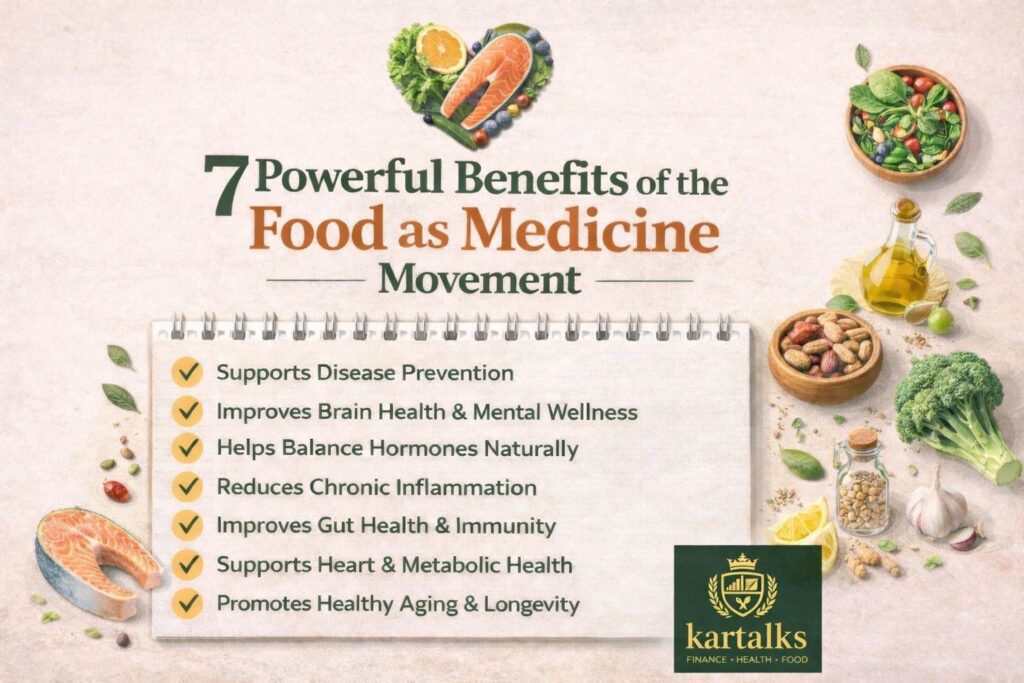
Food as Medicine: Why This Movement Is Exploding (and How to Use It Without Falling for Hype)
“Food as Medicine” isn’t a fancy wellness slogan anymore. It’s a real shift in how people think about daily eating: not just to lose weight or follow rules, but to prevent disease, support mental health, balance energy, and age well.
You can see it everywhere—brain-friendly snacks, gut-health drinks, anti-inflammatory meal plans, hormone “reset” menus, longevity supplements. Even major medical research keeps reinforcing a simple idea: your everyday food pattern can nudge your body toward health or toward chronic inflammation, insulin resistance, poor mood, and fatigue.
The goal of this article is to make the movement practical and evidence-based—so you can actually benefit from it.
What “Food as Medicine” Really Means (in plain language)
It means using food strategically—not perfectly—to support:
Metabolic health (blood sugar, cholesterol, fatty liver risk)
Heart health (blood pressure, triglycerides, vascular inflammation)
Brain + mood (focus, stress resilience, depression risk factors)
Hormonal stability (sleep, hunger hormones, thyroid support through nutrition basics)
Longevity (lower long-term disease risk through consistent habits)
Important: Food is powerful, but it’s not a replacement for medical treatment when needed. Think of it as the daily foundation that makes everything else work better.
Why the Trend Is Growing So Fast
1) Chronic lifestyle disease is everywhere
People are tired of feeling “normal unwell”—bloating, fatigue, brain fog, sugar crashes, sleep issues.
2) New science is clearer than ever
Large studies consistently show benefits from whole-food dietary patterns like the Mediterranean-style way of eating, especially for cardiovascular risk. For example, the PREDIMED trial reported that a Mediterranean diet supplemented with extra-virgin olive oil or nuts reduced major cardiovascular events compared with a control diet.
3) Ultra-processed foods are under the spotlight
A major BMJ umbrella review linked higher ultra-processed food exposure with increased risk of multiple adverse outcomes, including cardiometabolic and mental health-related outcomes. 👉pmc.ncbi.nlm.nih
And newer analyses continue to connect higher UPF intake with depressive symptoms in a dose-dependent way.
4) The “functional foods” industry is booming
The market growth reflects consumer demand for foods that claim benefits beyond calories—protein boosts, probiotics, fiber, omega-3, plant compounds, and fortified nutrients.
The 4 Biggest “Food as Medicine” Focus Areas Right Now
1) Brain health foods (mood, focus, memory)
Your brain is metabolically demanding. It needs:
Stable blood sugar
Enough omega-3 fats (especially DHA/EPA)
Antioxidants + polyphenols (from plants)
Micronutrients (iron, B12, folate, zinc, magnesium)
Good gut health (because gut and brain talk constantly)
Best “brain-forward” foods to build meals around
Fatty fish (salmon, sardines) or algae-based omega-3 (if vegetarian)
Eggs (choline)
Nuts + seeds (walnut, flax, chia)
Berries, grapes, pomegranate (polyphenols)
Leafy greens (folate + magnesium)
Fermented foods (curd/yogurt, kefir, kimchi—depending on what suits your gut)
What to limit (especially for mood stability)
Sugary drinks, frequent packaged snacks, and “hyper-palatable” foods
Higher ultra-processed food exposure has been associated with worse health outcomes in large-scale evidence.
Simple daily rule
Add one brain-support item per day (fish OR curd OR nuts OR leafy greens). Consistency beats complexity.
2) “Hormone balancing” diets (what’s real vs what’s marketing)
This area is full of hype, so here’s the honest version:
Your hormones don’t need magical foods.
They need stable basics:
Adequate protein
Enough healthy fats (not ultra-low fat)
Fiber + plants
Regular sleep rhythm
Less blood sugar chaos
What people often call “hormone imbalance” can be:
Poor sleep + stress (cortisol rhythm disruption)
Iron deficiency (fatigue, palpitations, low energy)
Insulin resistance (cravings, belly fat gain, PCOS symptoms in some people)
Thyroid issues (needs medical diagnosis, not Instagram fixes)
Food pattern that supports hormone stability
Protein at every meal (helps satiety + glucose control)
Fiber daily (25–35 g is a strong target for many adults)
Healthy fat sources (olive oil, nuts, seeds, fish)
Reduce ultra-processed foods (common trigger for cravings/overconsumption)
If a plan says: “Cut all carbs to fix hormones,” be cautious. Most people do better with smarter carbs (whole grains, legumes, fruit) than with extreme restriction.
3) Anti-inflammatory eating (the most useful “Food as Medicine” lever)
Inflammation isn’t always bad—it’s part of healing. The problem is chronic low-grade inflammation driven by poor sleep, high stress, smoking, sedentary life, and diets heavy in ultra-processed foods.
Anti-inflammatory plate (easy and realistic)
½ plate: vegetables (cooked + raw mix)
¼ plate: protein (dal, eggs, fish, chicken, paneer, tofu)
¼ plate: smart carbs (brown rice, millets, whole wheat, oats)
1 thumb of fat: olive oil / nuts / seeds / avocado
Top anti-inflammatory foods
Extra-virgin olive oil (Mediterranean pattern staple)
Nuts (especially walnuts, almonds)
Fatty fish
Spices: turmeric, ginger (use as part of cooking, not as “detox shots”)
Beans/lentils (fiber + polyphenols)
Colorful vegetables and fruits
What quietly increases inflammation for many people
Too many packaged snacks, sweet bakery items, sugary drinks
(Again: large evidence summaries link higher UPF exposure with higher health risk.)
4) Longevity nutrition (live longer, but more importantly: live better)
Longevity nutrition isn’t about one miracle food. It’s about stacking small advantages:
Better blood pressure
Better cholesterol profile
Better insulin sensitivity
Better muscle mass (huge for aging)
Better gut health
Mediterranean-style eating repeatedly shows benefits for cardiovascular outcomes in research, including randomized trial evidence.
Longevity habits that actually matter
Protein strength: don’t under-eat protein (especially if you’re 30+ and sedentary)
Fiber anchor: legumes + vegetables daily
Healthy fats: olive oil, nuts, seeds
Move daily: even 20–30 minutes brisk walk changes metabolic health
Reduce ultra-processed reliance: keep them occasional, not foundational 👉bmj.com
How to Start: A 7-Day “Food as Medicine” Starter Plan (No Overwhelm)
You don’t need a new life. Try this simple framework:
Daily non-negotiables (pick 3)
1 fruit
2 cups vegetables (cooked counts)
1 protein-rich serving (dal/eggs/fish/chicken/paneer/tofu)
1 fermented food (curd/yogurt/kefir)
1 handful nuts/seeds
2–3 liters water (adjust to climate/activity)
The “upgrade” swaps (choose what’s easiest)
Replace chips/biscuits with roasted chana/peanuts/fruit + curd
Replace sugary drink with buttermilk, lemon water, or plain water + mint
Replace 1 refined-carb meal with millets/whole grains/legumes
Smart Shopping List (Budget-friendly, high impact)
Proteins
Eggs, curd, paneer/tofu
Dal (moong, masoor), chickpeas, rajma
Fish (if non-veg)
Fiber + plants
Spinach, okra, brinjal, carrots, cabbage, beans
Tomatoes, onions, garlic
Fruits (banana, apple, guava, papaya, berries if affordable)
Healthy fats
Nuts (peanuts are underrated and affordable)
Seeds (flax/chia if available)
Olive oil (or use traditional oils in moderation; focus on less deep-frying)
Flavor = adherence
Turmeric, ginger, cumin, coriander, curry leaves
Lemon, vinegar, herbs
Common Mistakes (that make people quit)
1) Overdoing “functional foods”
A probiotic drink won’t cancel out a day of packaged snacks. Functional foods can help, but they should sit on top of a whole-food base—not replace it.
2) Turning it into strict dieting
The movement is successful because it’s supportive, not punishing. If it feels like torture, it won’t last.
3) Ignoring sleep + stress
Food helps—but if sleep is poor and stress is constant, cravings and inflammation rise anyway.
A short, practical conclusion
“Food as Medicine” works when it becomes normal food, eaten consistently:
more plants,
enough protein,
healthier fats,
fewer ultra-processed staples,
and realistic routines.
Start with one upgrade this week: build a brain + gut-friendly breakfast (protein + fiber + fermented food), and you’ll feel the difference faster than you expect.
FAQs
❓Q1. Is “Food as Medicine” really effective?
Yes. Healthy eating habits can help reduce disease risk and support overall wellness.
❓Q2. Do I need to follow a strict diet?
No. The focus is on balanced and consistent healthy eating, not strict dieting.
❓Q3. Which foods support long-term health?
Fruits, vegetables, whole grains, nuts, seeds, fermented foods, and quality proteins.
❓Q4. Can food improve mental health and energy?
Yes. Proper nutrition supports brain function and helps maintain stable energy levels.
❓Q5. Is this lifestyle expensive?
No. Affordable foods like lentils, eggs, seasonal vegetables, and yogurt provide strong nutrition.
👉Further reading
🧘♀️ Mindful Eating and Mental Wellness: How a Calm Plate Heals the Mind
GLP-1 Influence on Diet and Health (2026): What It Means for Weight, Metabolism, and Everyday Eating
Disclaimer:
This article is for general education only and does not provide medical advice. If you have a health condition, symptoms, or take medication, consult a qualified doctor or registered dietitian before making major diet changes.
Most useful information
“Thank you, Rachel, glad you found it useful”
Well explained
Thank You