
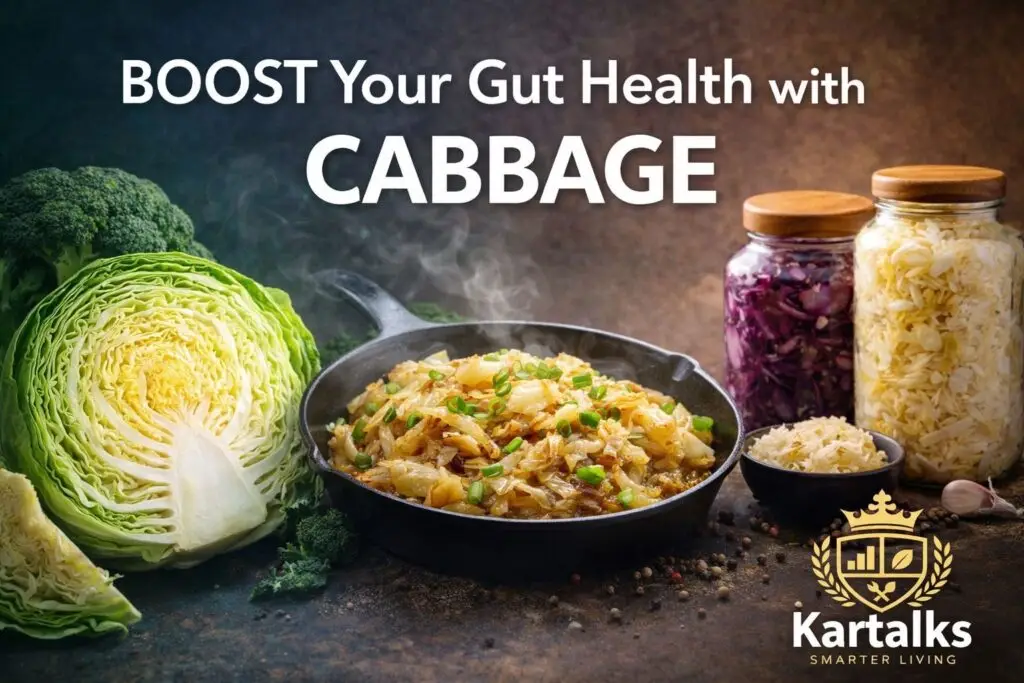
Cabbage and Gut Health Rising: Why This Humble Veg Is Becoming 2026’s Favorite “Functional Food”
If you’ve noticed cabbage showing up everywhere—from café bowls and crunchy slaws to cozy soups and “cabbage steaks”—you’re not imagining it. Cabbage and gut health is one of those rare food trends that makes sense in real life: it’s cheap, filling, fiber-rich, and incredibly versatile. In 2026 trend forecasts, cabbage is being called out as a standout ingredient (“cabbage-core”), driven by the broader obsession with fiber, gut health, and functional nutrition.
And unlike many trends that require pricey powders or exotic superfoods, cabbage is the kind of ingredient your kitchen (and budget) actually welcomes.
This article explains why cabbage is rising, what it does for your gut, how chefs are using it globally, and the easiest ways to eat it regularly—without turning your meals boring.
Focus Keyword: cabbage and gut health
🥬 Why “Cabbage and Gut Health” Is Trending Now
1) Fiber is officially the new “cool”
Food trends for 2026 are packed with talk of gut health and “fiber-maxxing,” and cabbage fits perfectly into that story: it’s naturally fiber-rich, low-calorie, and easy to add to meals.
2) It’s affordable functional food
Cabbage is having a moment partly because it’s budget-friendly while still feeling “healthy.” Business coverage of the trend points out cabbage’s reputation glow-up—moving from bland boiled memories to something modern chefs are proud to serve.
3) It’s versatile across cuisines
Chefs love cabbage because it can be:
shredded (raw crunch)
sautéed (sweet + savory)
roasted (caramelized edges)
simmered (comfort soups)
fermented (kimchi / sauerkraut)
That flexibility makes it a perfect “base ingredient” in global cooking—exactly what trend forecasters are describing.
🧠 What Makes Cabbage a Gut-Friendly Ingredient?
Gut health isn’t only about probiotics. It’s also about feeding your good bacteria and supporting a stable digestive system. Cabbage supports gut health through two big pathways:
✅ A) Fiber that helps your microbiome
Fiber acts like fuel for beneficial gut bacteria. When microbes ferment fiber, they produce compounds (like short-chain fatty acids) that are linked with gut barrier support and anti-inflammatory effects. (Different fibers feed different bacteria, which is why variety matters.)
Cabbage gives you a reliable, everyday fiber source—especially valuable if your diet is heavy on refined carbs.
✅ B) Plant compounds unique to cruciferous vegetables
Cabbage belongs to the cruciferous family (like broccoli and cauliflower). These vegetables contain glucosinolates, which can break down into bioactive compounds (isothiocyanates, indoles) that are widely studied for anti-inflammatory and protective mechanisms.
The National Cancer Institute explains that cruciferous vegetables are being studied for their potential protective properties, while also noting that human-study results can be mixed (which is a healthy reminder not to treat any single food as magic).
🌍 Why Chefs Are Using Cabbage More in 2026
A big reason cabbage is rising is that it works equally well in “healthy” dishes and indulgent comfort food.
🍜 Cabbage = texture + volume (without heavy calories)
Shredded cabbage can bulk up meals—bowls, wraps, tacos—adding crunch and volume without feeling heavy. That’s one reason it’s showing up in modern menus and trend reports.
🔥 It transforms with heat
When roasted or sautéed, cabbage becomes sweeter, softer, and deeply savory. That’s why recipes like “cabbage steaks” and charred wedges are trending—The Kitchn notes cabbage’s rising popularity (citing Pinterest trend signals) and features chef techniques for making it taste amazing.thekitchn
🧂 It absorbs flavor like a sponge
Cabbage is mild, which is exactly why it’s powerful. It picks up spices, sauces, and aromatics beautifully—Indian masalas, Korean gochujang, Mediterranean lemon-garlic, or simple salt-pepper.
🥗 Raw vs Cooked: Which Is Better for Gut Health?
Both can be great—choose based on digestion and comfort.
🥗 Raw cabbage (salads, slaws)
more crunch
great for “volume eating”
may cause gas/bloating for some people (especially in large amounts)
🍲 Cooked cabbage (sautéed, soups, roasted)
gentler on digestion for many
easier to eat regularly
still provides fiber and nutrients
If raw cabbage bloats you, don’t force it. Light cooking often makes it more gut-friendly.
🧫 Fermented Cabbage: The Gut Health “Upgrade”
If cabbage is trending, fermented cabbage is trending even harder—because it sits right at the intersection of:
gut health
flavor
tradition
🥢 Kimchi & 🥬 Sauerkraut
A scientific review focused on LAB-fermented foods highlights fermented cabbage products like kimchi and sauerkraut as globally significant fermented vegetables, noting fermentation can improve bioavailability and reduce certain anti-nutritional factors.
Another review article on fermented Brassica foods discusses observed health benefits in some studies (while also noting that exact roles of microbes and compounds still need more clarity).mdpi
Practical tip: choose fermented cabbage that’s:
refrigerated (often indicates live cultures)
lower in added sugar
eaten in small portions first (your gut may need a “slow intro”)
💚 What Cabbage Can Support Beyond the Gut
Cabbage’s popularity isn’t only gut-related. It’s also being highlighted for broader metabolic support.
EatingWell has pointed to cabbage as a nutrient-dense vegetable supportive of metabolic health, emphasizing its fiber and antioxidant profile.Eatingwell
Observational studies associate cruciferous vegetable intake with cardiovascular and longevity benefits (association does not prove causation, but it’s still an encouraging pattern).
So yes—cabbage is trending. But it’s also genuinely nutritious.
🍛 Easy Ways to Add Cabbage (Without Getting Bored)
Here are simple “real kitchen” ideas that work across cultures:
🧅 1) Indian-style cabbage stir-fry (Poriyal / Thoran vibe)
Sauté mustard seeds, curry leaves, onion, turmeric, green chili; add shredded cabbage; finish with grated coconut (optional).
Why it works: fast, flavorful, gentle on digestion.
🍳 2) Egg + cabbage scramble
Cabbage cooks down quickly. Add it to eggs with pepper and a pinch of chili flakes.
Why it works: protein + fiber = steady energy.
🍜 3) Soup base that tastes rich
Use cabbage with carrots, garlic, ginger, stock, and your choice of protein/beans.
Why it works: comfort food that still supports gut-friendly fiber.
🥗 4) Crunchy slaw with yogurt dressing
Mix cabbage + cucumber + carrot + salt + lemon + thick curd (or Greek yogurt).
Why it works: refreshing, high-volume, not heavy.
🥢 5) Add fermented cabbage as a “side”
A spoon of kimchi or sauerkraut alongside a meal.
Why it works: flavor punch + fermentation benefits.
⚠️ Who Should Be Cautious With Cabbage?
Cabbage is safe for most people, but a few notes:
If you have IBS or are sensitive to cruciferous veg, start with small portions and try cooked first.
If you’re increasing fiber, increase water too.
Fermented cabbage can be high in sodium—portion size matters.
The Bottom Line
Cabbage is rising because it solves modern problems in a very old-fashioned way: it’s affordable, flexible, filling, and actually good for you. Trend forecasters see it as a 2026 standout, and chefs love it because it can be dressed up into something exciting in any cuisine.
If you want a “gut-friendly” habit that doesn’t cost much and doesn’t require special products, cabbage is a strong place to start.
👉Further reading
High-Protein Eating Gains Traction
Viral Snacks & Oral Health: Hidden Damage to Your Teeth
🥗 Beetroot Cutlets (High-Fibre, Iron-Rich & Perfect for Evening Snack)
Disclaimer:
This article is for educational purposes only and does not replace medical or nutritional advice. If you have digestive conditions or dietary restrictions, consult a qualified healthcare professional for personalized guidance.