
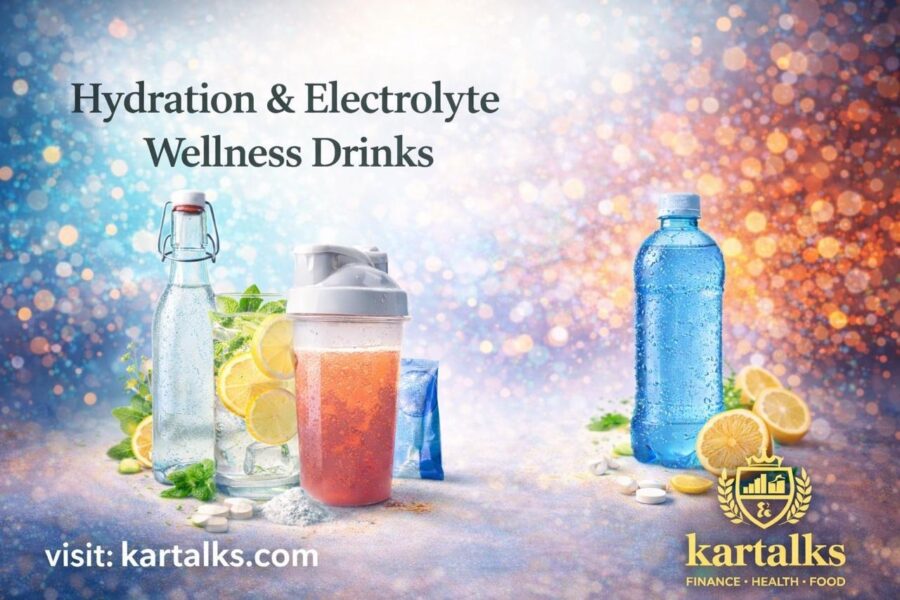
Hydration & Electrolyte Wellness Drinks: Why Everyone Is Talking About It (and What Actually Works)
Hydration & Electrolyte Wellness Drinks: Hydration used to be simple: drink water when you’re thirsty.
Now it’s a whole lifestyle—electrolyte packets, “hydration mocktails,” mineral waters, performance drinks, fancy bottles, and reminders buzzing on smartwatches.
Some of it is useful. Some of it is pure marketing.
This article will help you understand what’s real, what’s hype, and how to hydrate in a way that supports energy, metabolism, skin, and workout performance—without overthinking it.
Why hydration became a “wellness trend”
1) Hotter days + busier lives
Many people spend long hours in air-conditioned rooms, commute in heat, drink more caffeine, and forget plain water until the headache hits.
2) Fitness culture + sweat losses
Gyms, walking goals, fasting routines, outdoor sports—sweat loss increases, and that’s where electrolytes enter the chat.
3) People want “benefits,” not just water
Hydration is now linked with:
better workout performance
clearer skin glow
fewer headaches
improved digestion
better daily energy
Some claims are exaggerated, but hydration really does affect temperature regulation and body function—your body is literally run by fluids.
How much water do you actually need?
There is no single number for everyone, but we do have solid reference ranges.
The U.S. National Academies lists Adequate Intake (AI) for total water (from all beverages + food) as about 3.7 L/day for men and 2.7 L/day for women (for young adults).
EFSA (Europe) suggests adequate intakes of about 2.5 L/day for men and 2.0 L/day for women. 👉efsa.europa.
Also, many people already get a good amount of water through food (fruits, vegetables, soups, curd, etc.), so you don’t need to panic if you’re not “counting liters” perfectly.
A helpful reality check: CDC data shows average daily water consumption among U.S. adults around 3.46 L for men and 2.75 L for women (all sources).
Easy “human” hydration check
Urine color: pale yellow = usually fine
Symptoms: headache, dry mouth, tiredness, dizziness = often low fluids
Thirst: don’t wait until you’re extremely thirsty every time
Water vs electrolytes: what’s the difference?
Water = fluid
It’s the base.
Electrolytes = minerals that help your body use fluid
Main electrolytes include:
sodium
potassium
chloride
magnesium
calcium
They help with:
nerve signals
muscle function
fluid balance
If you lose a lot of electrolytes (sweat, diarrhea, vomiting), only drinking plain water may not be enough.
Hydration & Electrolyte Wellness drinks: When do you actually NEED electrolyte drinks?
You likely benefit from electrolytes when you have:
1) Heavy sweating
intense workouts
long walks in heat
outdoor sports
physically demanding work
Sports medicine guidance emphasizes starting activity well-hydrated and replacing fluid and electrolytes as needed during prolonged activity.
2) Dehydration from illness
For diarrhea-related dehydration, Oral Rehydration Solutions (ORS) are a proven medical tool, recommended by WHO/UNICEF with a reduced-osmolarity formula.👉WHO
3) Fasting + heat + low salt intake
If you’re fasting and living in a hot place (or sweating more), you may feel weak, dizzy, or crampy—electrolytes can help.
The 4 “trending” hydration drink categories (and what to choose)
1) Hydration & Electrolyte Wellness drinks:
Electrolyte drinks (powders, packets, sports drinks)
Best for: heavy sweat, workouts, heat exposure
Watch out for: added sugar + high sodium you don’t need
Smart buying tips
If you’re not exercising heavily, choose low sugar versions.
If you have high BP or kidney issues, ask a doctor before frequent electrolyte use.
2) Hydration mocktails (the social-media star)
These are usually:
water + lemon/lime
a pinch of salt
coconut water / fruit splash
mint / cucumber
sometimes magnesium drops
Good for: making hydration fun, increasing total fluid intake
Not magic for: fat loss or “detox”
A hydration mocktail works mainly because it helps people drink more consistently. That’s still a win.
3) Functional mineral water
Mineral waters naturally contain varying minerals depending on the source.
Good for: people who dislike plain water, mild mineral top-up
Reality check: it’s not a replacement for a balanced diet.
Also, “functional water” marketing can be loud—read labels and keep it simple.
4) Performance beverages
These include:
sports drinks
endurance carb-electrolyte blends
caffeinated performance drinks
Best for: long-duration sports, endurance training
Not needed for: casual walking or a 30-minute light gym session
If your exercise is short and not in extreme heat, plain water is often enough.
Hydration and the 3 benefits people care about most
1) Metabolism and energy
Hydration supports circulation and normal body processes. People often feel “low energy” simply because they’re mildly dehydrated—especially with heat, fasting, or high caffeine intake.
Hydration won’t “boost metabolism” like a fat burner, but it can improve how you feel day to day—less fatigue, fewer headaches, better focus.
2) Skin health
Hydrated skin often looks better because dehydration can make skin look dull or tired. But hydration is not a substitute for:
sleep
skincare
nutrition (protein, healthy fats, micronutrients)
Think of water as the base layer, not the full skincare routine.
3) Fitness performance
Dehydration can reduce performance and increase heat strain. Sports medicine guidance focuses on starting exercise hydrated and managing fluid replacement during activity.
The common mistake: overdoing water (yes, it’s possible)
Overhydration can dilute blood sodium levels and can become dangerous (hyponatremia), especially in long endurance settings where people drink excessive water without electrolytes.
You don’t need to fear water—just don’t force extreme intake in a short time. A steady sip-through-the-day approach is safer than “chug challenges.”
Simple hydration plan you can actually follow
Morning
1–2 glasses water after waking
If you drink coffee/tea: add an extra glass of water with it
Midday
1 glass before lunch
1 glass after lunch
Evening
1–2 glasses between dinner and bedtime (not too late if it disrupts sleep)
Workout rule
Light workout: water is fine
Sweaty/long workout: add electrolytes
DIY electrolyte drink (simple and practical)
Option A: Basic home electrolyte (light)
500 ml water
1–2 tsp lemon juice
small pinch of salt
optional: 1 tsp honey (only if you need energy)
Option B: ORS (medical use)
If you have diarrhea/vomiting dehydration, use a proper ORS solution (WHO-type formula is well established).
(If symptoms are severe—seek medical care.)
Quick “should I use electrolytes today?” checklist
Use electrolytes if:
you sweat a lot
you walked/exercised in heat
you feel cramps + fatigue + headache after sweating
you’re recovering from stomach upset
Stick to water if:
you’re indoors mostly
activity is light
your diet already includes normal salt and fluids
Bottom line
Hydration is trending because it matters—but the best results come from basics:
drink enough fluids consistently
use electrolytes when sweat/illness demands it
avoid turning hydration into a sugar habit
If you keep it simple, your energy, workouts, and even skin can improve—without expensive “miracle waters.”
👉Further reading
ACSM Position Stand: Exercise and Fluid Replacement (PubMed) 👉pubmed.ncbi
🧘♀️ Mindful Eating and Mental Wellness: How a Calm Plate Heals the Mind
Metabolic Fitness: The Health Shift Everyone’s Quietly Making in 2025
GLP-1 Influence on Diet and Health (2026): What It Means for Weight, Metabolism, and Everyday Eating
Plant-Based Diet 2.0: The New Era of Eating
Sustainable Fitness: A Beginner’s Playbook
Disclaimer:
This article is for educational purposes only and does not provide medical advice. If you have kidney disease, heart conditions, high blood pressure, are pregnant, or have ongoing symptoms like dizziness, vomiting, or severe dehydration, consult a qualified healthcare professional before using electrolyte products regularly.