
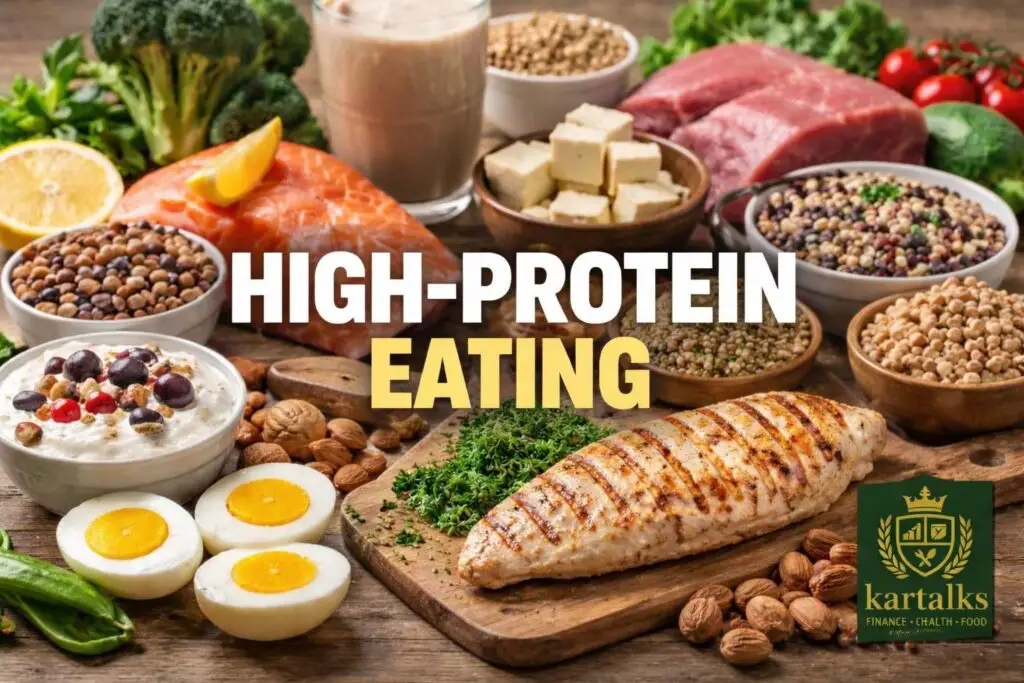
High-Protein Eating Gains Traction: Why Protein Is Back in at the Center of Our Plates
High-Protein Eating Gains Traction – Not long ago, protein had a reputation problem. It was seen as something only bodybuilders obsessed over, or something people worried about “overdoing.” Today, that perception has quietly changed.
Look around — cafés highlight protein bowls, grocery shelves are filled with protein-labelled snacks, and even mainstream restaurant menus proudly display grams of protein per serving. Clearly, high-protein eating is gaining traction, and not because of hype alone. People are responding to how their bodies actually feel when protein becomes a priority.
This shift isn’t driven by perfection or aesthetics. It’s driven by energy, strength, satiety, and simplicity — things modern diets often fail to provide.
🍗 Why People Are Naturally Moving Toward High-Protein Eating
High-Protein Eating most food trends begin with restriction. This one didn’t.
It began with experience.
People noticed that when meals included enough protein:
Hunger stayed away longer
Energy didn’t crash mid-day
Late-night snacking reduced
Meals felt “complete”
Protein didn’t feel like a rule — it felt like relief.
At the same time, strength training stopped being niche. It became common advice for long-term health, especially for women and older adults. With that came awareness: muscles need fuel, not just movement.
High-protein eating emerged naturally from this lifestyle shift, not from diet culture.
🧠 What “High-Protein” Really Means (And What It Doesn’t)
One of the biggest misconceptions is that high-protein eating means:
Constant protein shakes
Massive portions of meat
Ignoring carbs and vegetables
In reality, it simply means protein is no longer an afterthought.
For most adults, basic nutrition guidelines suggest 0.8 grams of protein per kilogram of body weight as a minimum. That number isn’t a target for thriving — it’s a baseline to avoid deficiency.
High-protein eating usually looks like:
Eggs or yogurt at breakfast instead of only toast
Dal, paneer, fish, or chicken anchoring lunch
A balanced dinner that includes real protein, not just carbs
It’s not extreme. It’s intentional.
🥚 Why Protein Works So Well in Everyday Life
1. It keeps hunger honest
Protein slows digestion and influences hormones related to fullness. That’s why a protein-rich meal doesn’t leave you searching for snacks an hour later.
People don’t overeat because they lack discipline. They overeat because meals don’t satisfy. Protein helps fix that.
2. It protects muscle — quietly but powerfully
Muscle loss isn’t just a gym concern. It affects posture, metabolism, balance, and long-term independence.
Whether someone is losing weight, aging, or simply busy, protein helps the body hold onto muscle tissue. That protection matters far more than aesthetics.
3. It supports stable energy
Meals dominated by refined carbohydrates can lead to spikes and crashes. Adding protein smooths that curve. Energy feels steadier, focus improves, and afternoon fatigue eases.
This is one reason many people “feel better” on high-protein diets before they understand why.
🍔 Why Food Brands Are Following This Shift
When millions of people independently change how they eat, brands respond.
That’s why fast-casual restaurants now highlight protein content and why major chains have launched dedicated high-protein menu options. Some meals now range from moderate protein to very high levels, catering to different needs.
This isn’t about pushing extremes — it’s about meeting customers where they already are.
⚠️ Where High-Protein Eating Can Go Wrong
Protein is helpful, but it isn’t magic.
🚰 Kidney health deserves respect
For healthy individuals, moderate increases in protein are generally well tolerated. But people with existing kidney conditions should be cautious. Aggressive protein targets without medical guidance can be harmful.
High-protein eating should never override personal health realities.
🥓 “Protein” doesn’t equal “healthy”
Many packaged protein foods are still ultra-processed. Bars, cookies, and shakes can contain excess sweeteners, additives, and low fiber.
Protein quality matters just as much as quantity.
🧂 Digestion needs balance
Protein without enough fiber and water can cause discomfort. Real food meals — not isolated macros — are what the body handles best.
🥗 How to Practice High-Protein Eating Sustainably
✅ Build meals, not numbers
Instead of tracking grams obsessively, aim for one real protein source per meal:
Eggs
Dal, rajma, chana
Paneer or tofu
Fish or chicken
Yogurt or curd
Let the rest of the plate support it.
✅ Spread protein across the day
The body uses protein more efficiently when it’s consumed consistently rather than all at once. Breakfast matters more than people think.
✅ Keep food recognizable
If most of your protein comes from foods that don’t need a label, you’re probably doing it right.
🧾 Why This Trend Will Last
High-protein eating isn’t about rules.
It’s about how people want to feel:
Strong instead of drained
Satisfied instead of constantly hungry
Consistent instead of reactive
That’s why this isn’t a temporary trend. It’s a correction — a return to meals that actually nourish.
⚠️ The Side of High-Protein Eating People Don’t Talk About Enough
No nutrition approach is perfect for everyone.
🚰 Kidney health isn’t optional
For people with healthy kidneys, moderate protein increases are generally tolerated. But for those with kidney disease or reduced kidney function,Hegh-protein diets can place additional strain on the body.
This is why high-protein eating should never be followed blindly. Personal health context always matters.
🥓 “Protein” doesn’t automatically mean quality
Protein marketing has exploded, but many protein-labelled foods are still ultra-processed. Bars, cookies, and drinks may contain:
Excess sweeteners
Low fiber
Artificial ingredients
Protein should enhance food quality, not replace it.
🧂 Digestion needs support
Protein-heavy diets without enough fiber and hydration can cause bloating or constipation. The solution isn’t less protein — it’s better balance.
🥗 How to Make High-Protein Eating Feel Normal (Not Forced)
✅ Focus on meals, not numbers
Instead of counting grams obsessively, aim for one clear protein source per meal:
Eggs at breakfast
Dal, paneer, tofu, or fish at lunch
Light but complete protein at dinner
This approach feels natural and sustainable.
✅ Distribute protein across the day
Protein works best when spread out. Breakfast matters more than people think. Skipping protein early often leads to overeating later.
✅ Keep food recognizable
When most protein comes from foods your grandparents would recognize, you’re likely on the right path.
🧾 Why This Is Not a Passing Trend
High-protein eating isn’t exciting in the flashy sense. And that’s exactly why it will last.
It supports:
Strength without obsession
Energy without stimulants
Satiety without restriction
People don’t stick to diets. They stick to what makes them feel better. Protein does that quietly, consistently, and reliably.
Viral Snacks & Oral Health: Hidden Damage to Your Teeth
🥗 Beetroot Cutlets (High-Fibre, Iron-Rich & Perfect for Evening Snack)
Blood Sugar Friendly Diet for Everyday Health
Disclaimer:
This article is for educational purposes only and does not replace professional medical or nutritional advice. Individual needs may vary.